5 Ways the DRIVEnSCAN Hail Damage Scanner Outperforms Visual Checks
Hail Otto • August 11, 2026
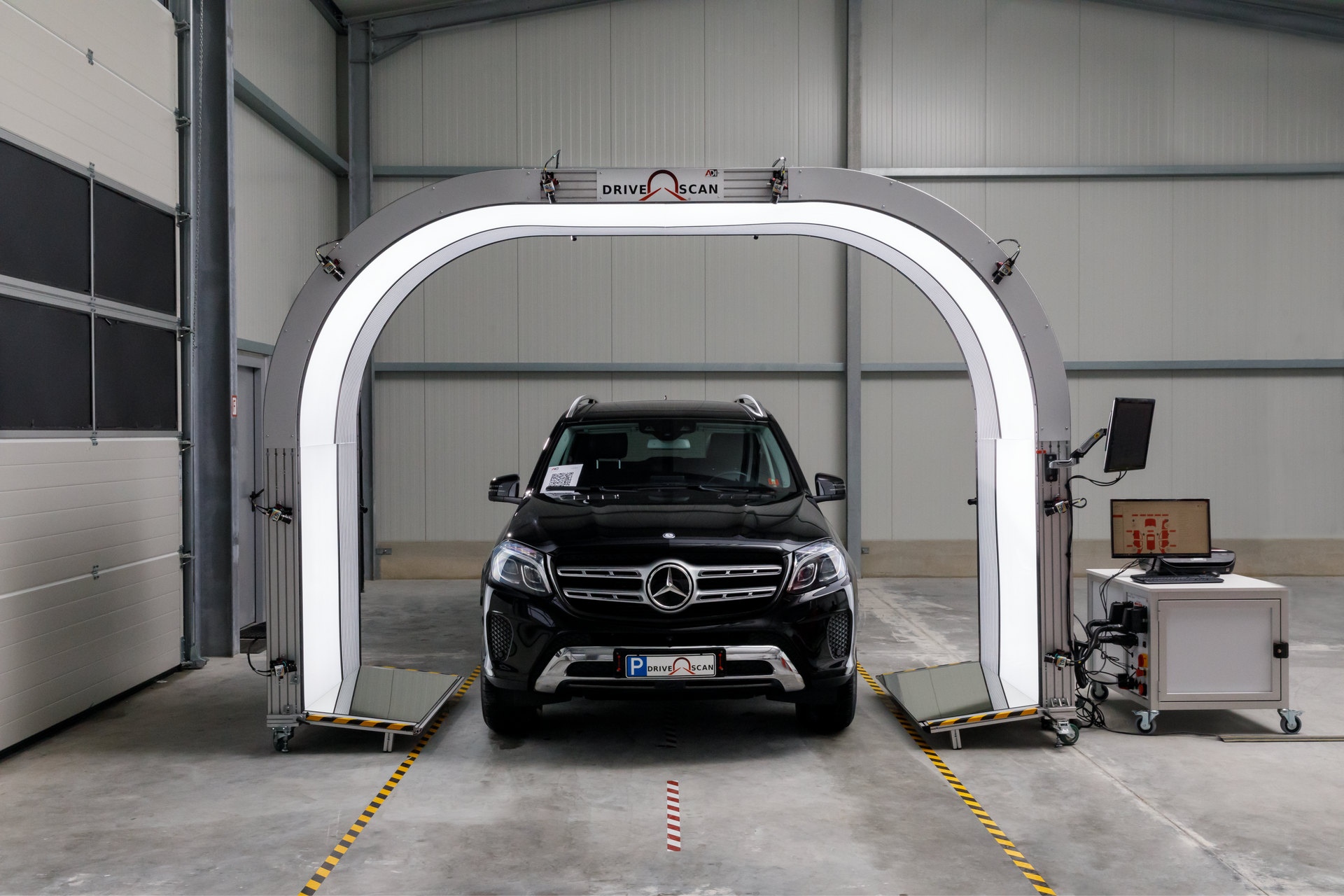
Relying on a technician to manually count every single dent on your hood in a dark parking lot is an outdated and highly inaccurate method. At Hail Otto, we utilize the DRIVEnSCAN Hail Damage Scanner to remove human error and provide an honest, pixel perfect assessment of your vehicle. Drivers across Saskatoon and Estevan deserve total transparency when dealing with complex insurance claims.
Visual checks often miss shallow impacts that look invisible under direct sunlight but show up glaringly under streetlights. A digital scan captures every contour of your vehicle in a fraction of the time it takes to do a manual walk around. We want to show you exactly how this technology outperforms traditional body shop estimates. Understanding the scanning process proves why digital precision is mandatory for a fair repair quote.
In This Article
- Tip 1: Eliminate Human Error with High Speed Cameras
- Tip 2: Detect Shallow Impact Zones Instantly
- Tip 3: Generate Precision Panel Replacement Data
- Tip 4: Accelerate Your Insurance Claim Approval
- Frequently Asked Questions
Tip 1: Eliminate Human Error with High Speed Cameras
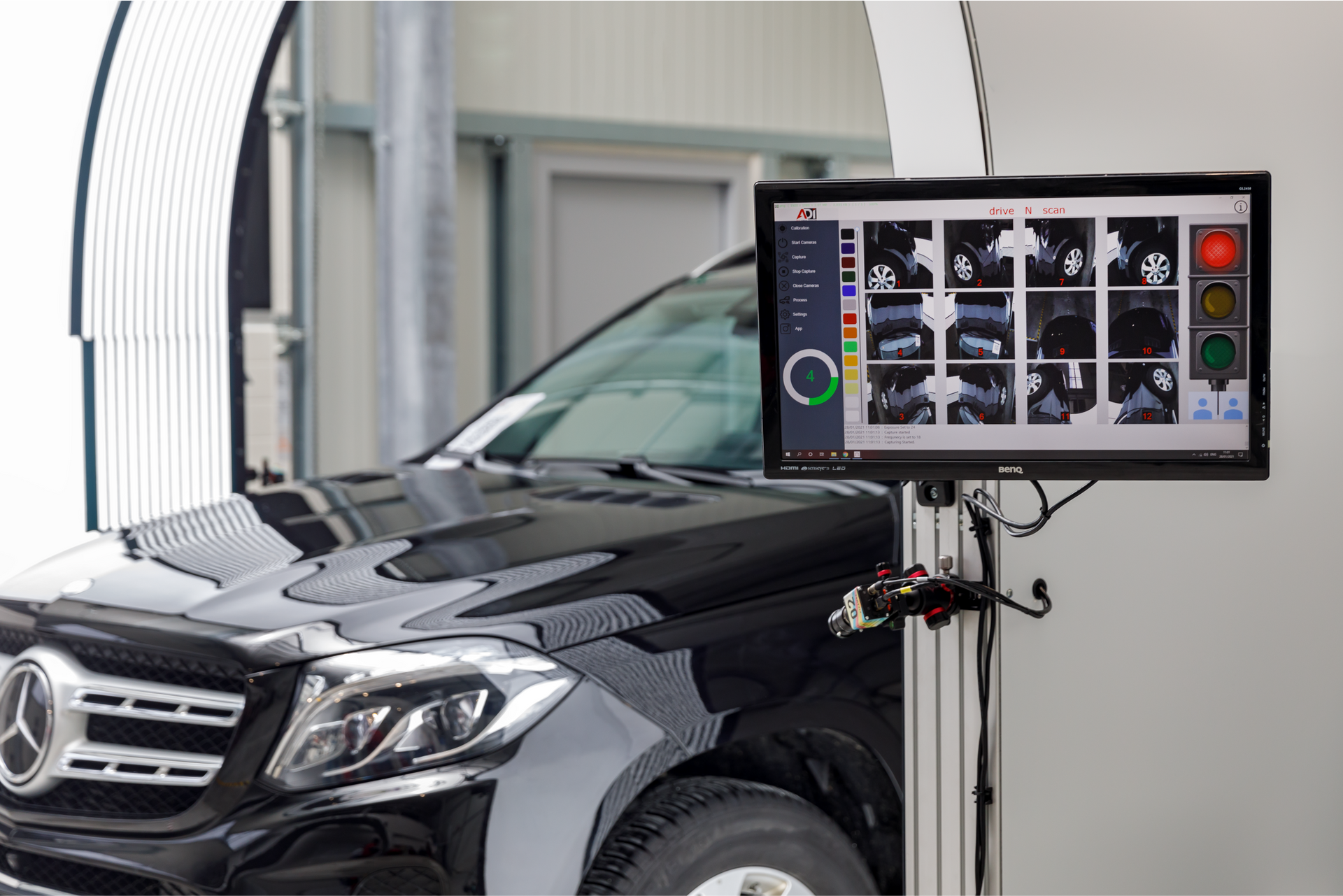
Walking around a truck with a clipboard guarantees that dozens of minor dings will be completely overlooked. The scanner utilizes twelve high performance industrial cameras to map the entire body surface in less than ten seconds.
- Total Coverage: The cameras record every single angle of the vehicle in a single pass to prevent missed damage zones.
- QR Code Tracking: Each scan is locked to a specific barcode on your windshield so your data never gets mixed up with another car.
- Immediate Analysis: The internal software processes the raw visual data in five seconds to create a foolproof repair map.
Tip 2: Detect Shallow Impact Zones Instantly
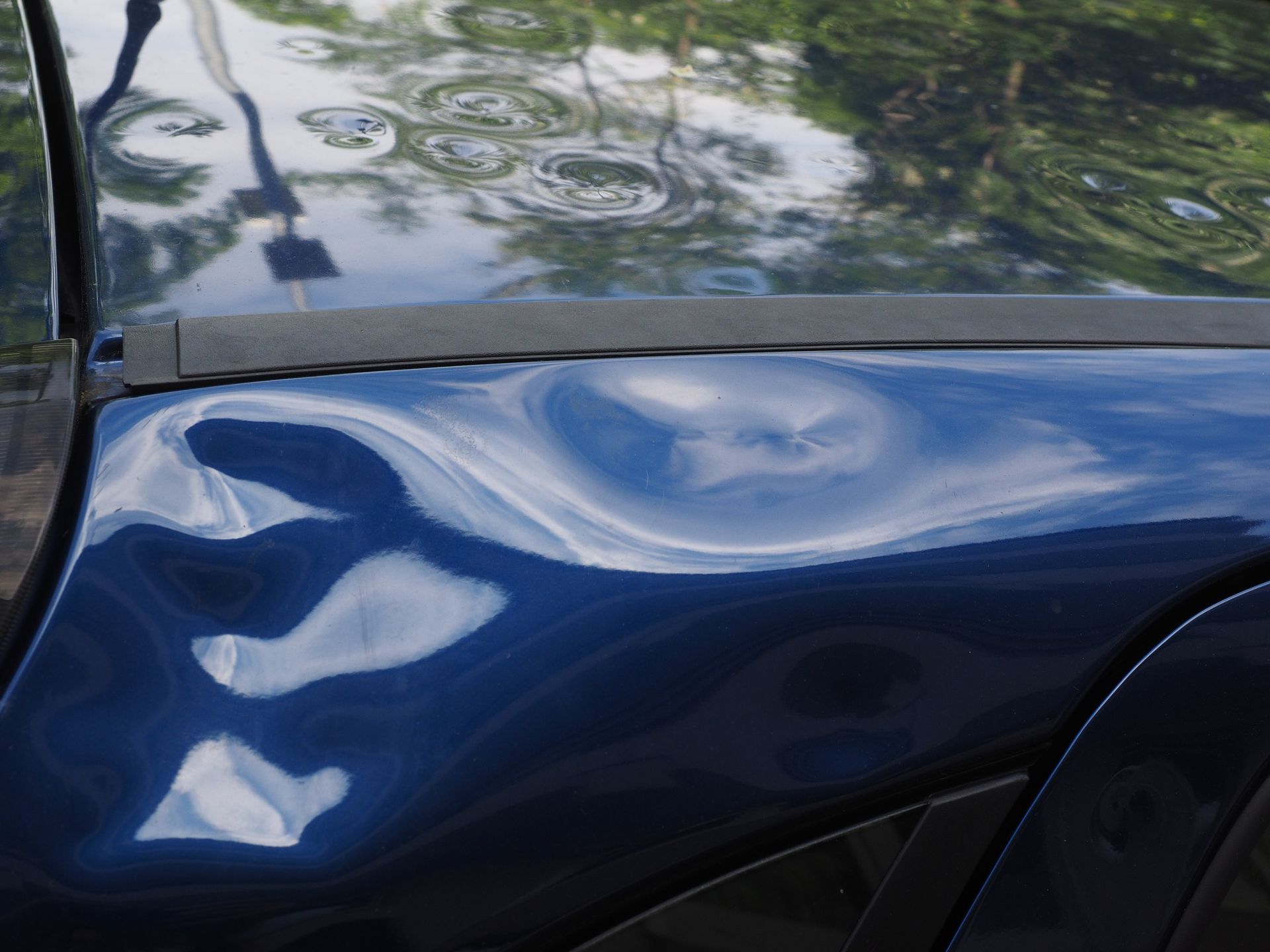
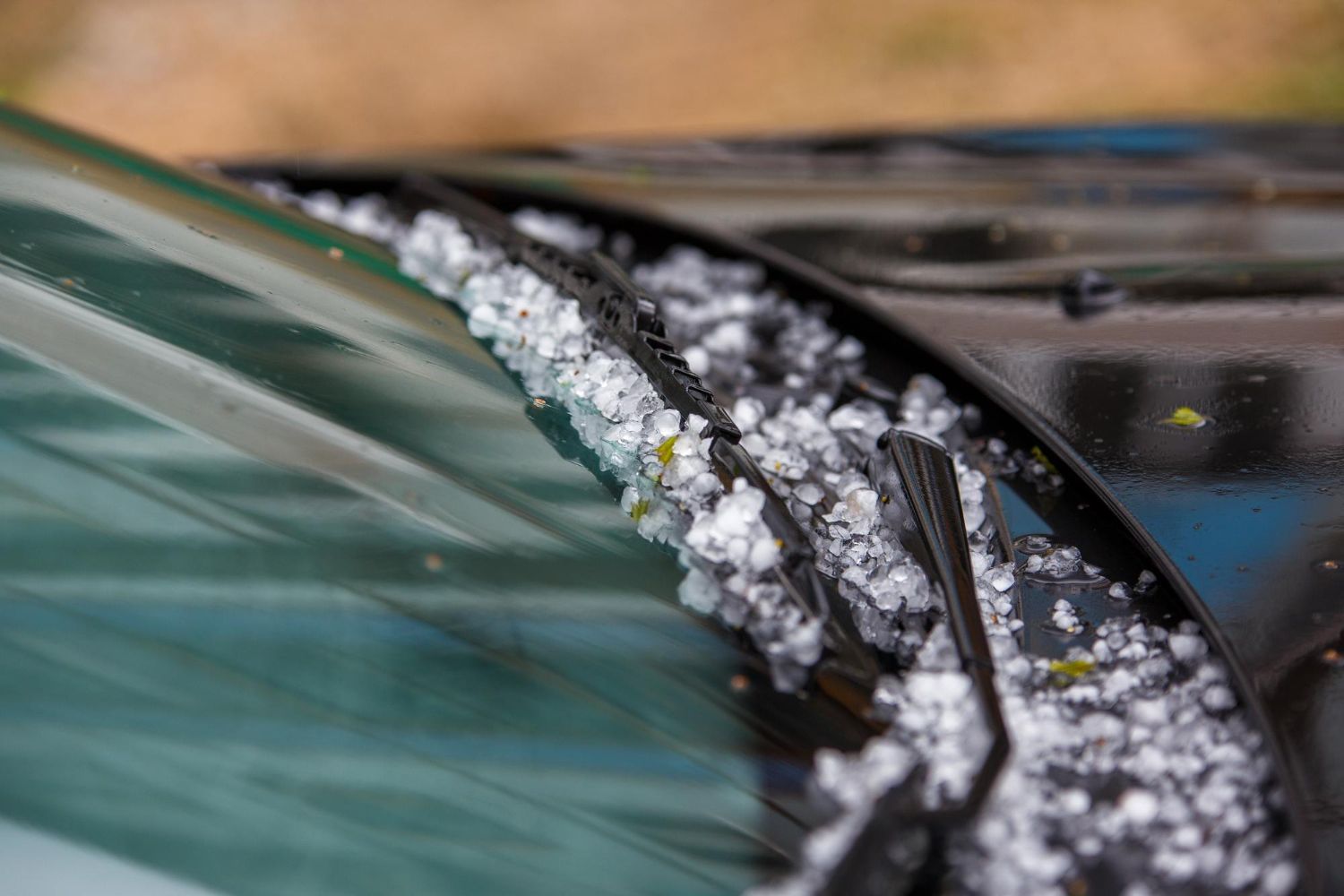
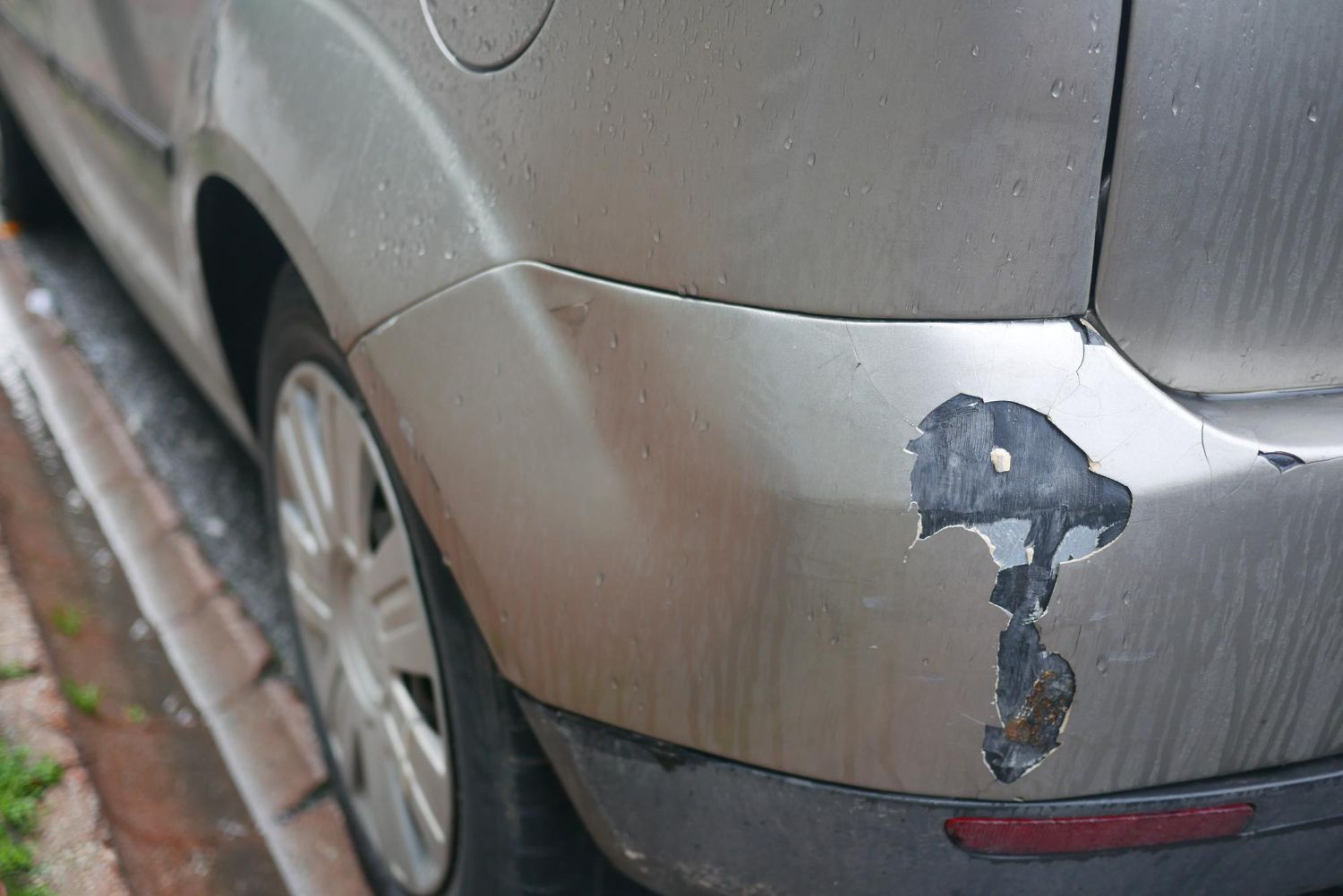
Minor storm impacts often fail to crease the metal sharply, leaving wide, shallow depressions that blend into the paint reflection. These wide impacts still stretch the metal and require professional attention to fix correctly.
- Topographical Mapping: The scanner reads the physical depth of the metal rather than just relying on shadows and paint reflections.
- Glare Reduction: Automated lighting inside the scanning tunnel cuts through heavy sunlight glare that typically blinds human estimators.
- Micro Dent Detection: The technology easily catches tiny blemishes that would otherwise go unnoticed until you try to sell the vehicle.
This is something clients notice firsthand when they see how fast and accurate the digital assessment truly is.
►Client Experience: Brooklyn Rawlyk shared “Superb service! The hail estimate and repair was seamless. The team is extremely caring and alleviated any worries or concerns I had. Fast service.”
Alleviating stress through rapid and accurate vehicle assessments is exactly why Brooklyn Rawlyk trusts our dedicated team.
Tip 3: Generate Precision Panel Replacement Data
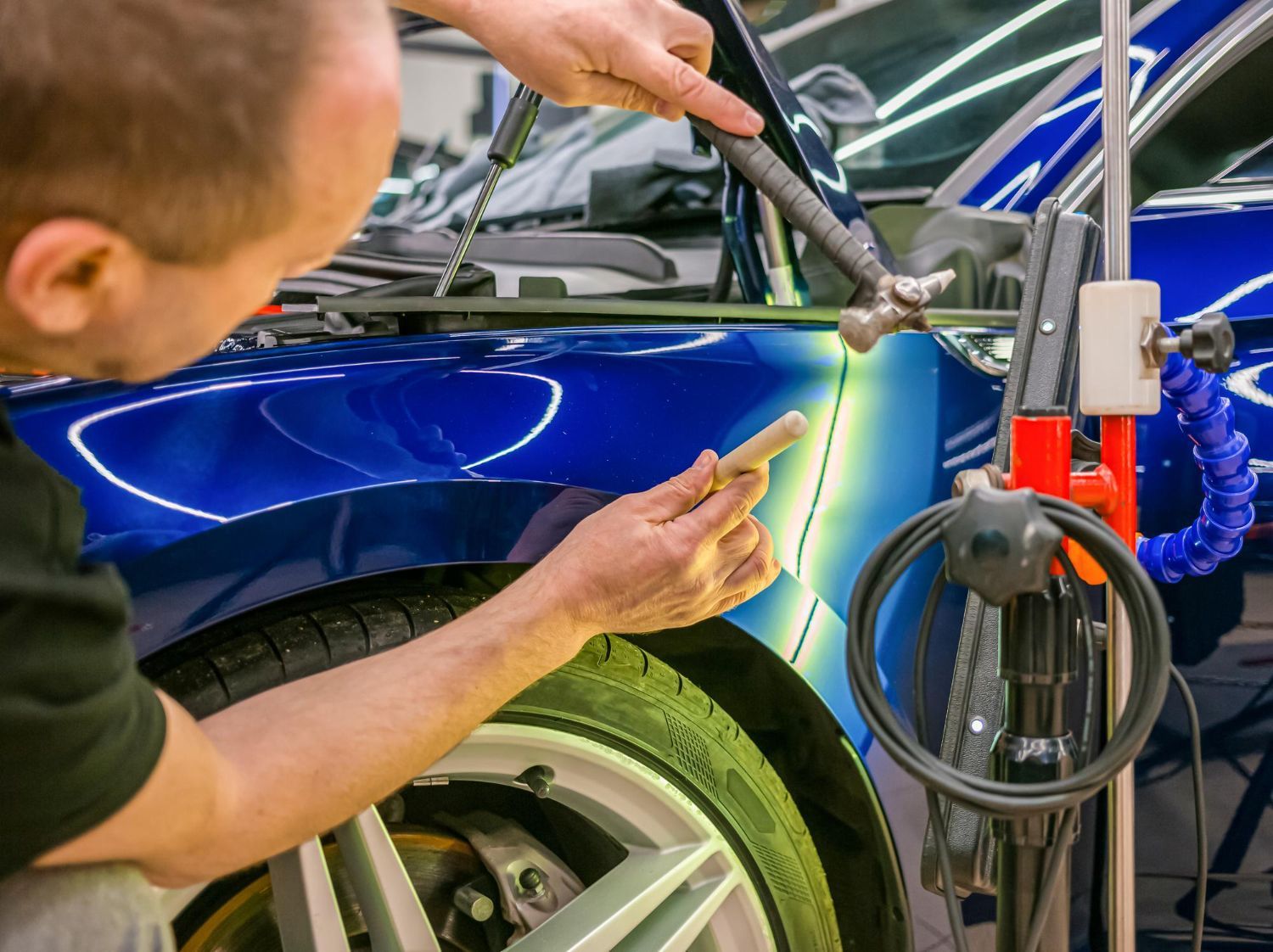
Some panels suffer such dense impact clusters that massaging the metal back into shape is no longer physically possible. The system calculates the exact density and depth of the dents to determine if a replacement part is cheaper than manual labor.
- Hard Data Output: You receive a concrete metric proving exactly why a hood or trunk lid needs to be swapped for a new factory part.
- Cost Control: The software automatically cross references the labor time required against the price of raw replacement materials.
- Transparent Reporting: You get a clear printout showing the exact dent count, preventing any arguments with your insurance provider.
Tip 4: Accelerate Your Insurance Claim Approval
Insurance adjusters heavily scrutinize handwritten repair quotes, which often leads to weeks of delays and secondary inspections. Sending a digital scan directly to your provider removes the guesswork and forces the claim through the approval pipeline faster.
- Universal Formatting: The scan data integrates perfectly with standard insurance estimating software used in Calgary and across the industry.
- Undeniable Proof: High resolution photographs are attached to every single marked dent, leaving no room for the adjuster to deny the damage.
- Rapid Turnaround: You leave the scanning site with a finalized, objective report in less than ten minutes, speeding up your repair booking.
Frequently Asked Questions
How does the technology handle dirty vehicles?
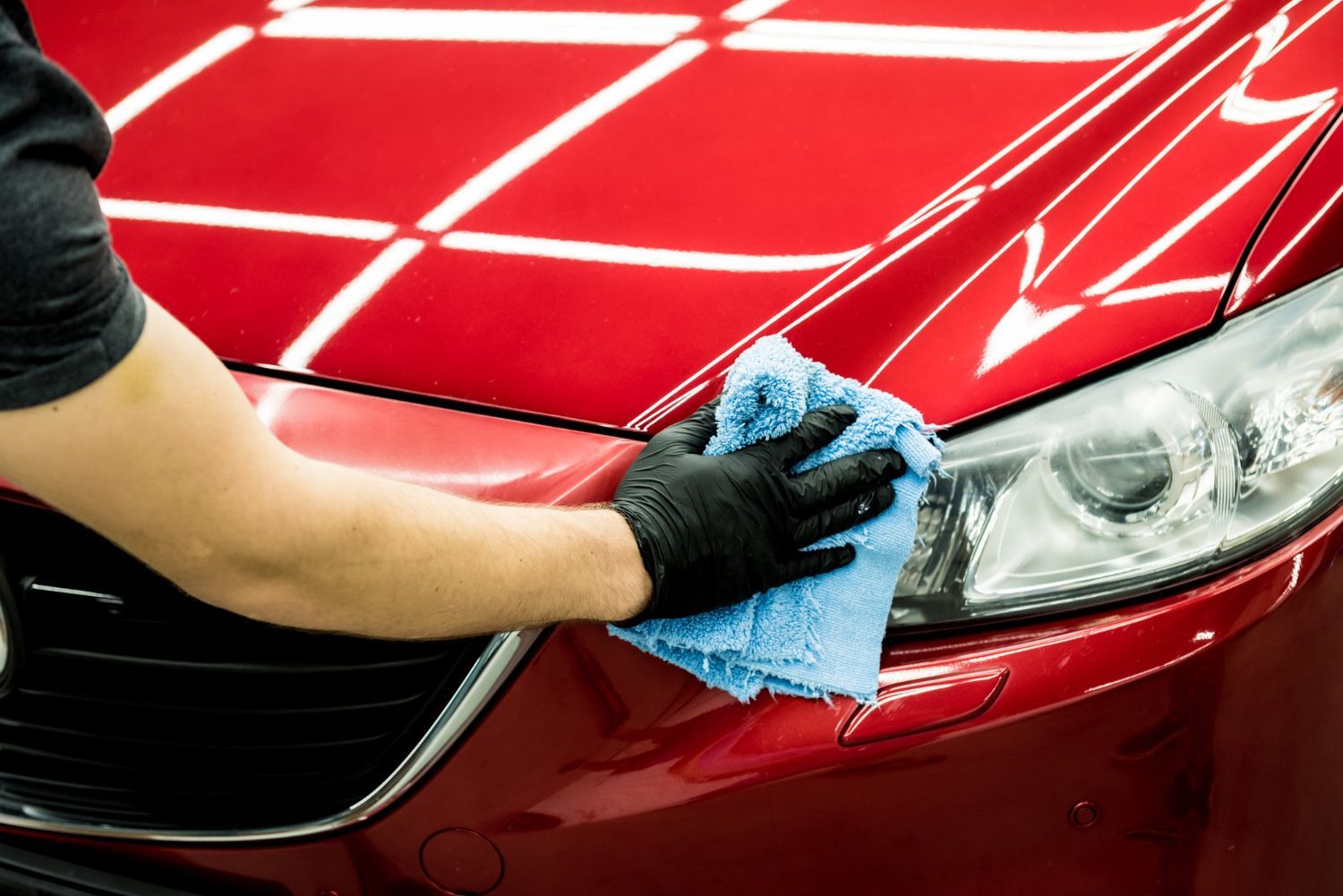
Heavy mud and thick road salt can obscure shallow dents and confuse the camera lenses. We highly recommend running your car through a basic automated wash before arriving at the scanning site in Saskatoon or Estevan. A clean clear coat allows the industrial cameras to map the bare metal contours with absolute perfection.
Does the scanner identify non hail related door dings?
Yes, the advanced topographical mapping catches every single imperfection on the vehicle exterior, including old shopping cart dings and minor scratches. The software creates a complete map of the entire car. Our technicians simply review the report with you to separate the fresh storm damage from your older wear and tear.
Can a digital scan speed up the insurance adjuster review?
Absolutely. Insurance adjusters delay claims when they suspect a body shop is inflating the manual dent count to drive up the bill. Handing them an objective, machine generated report with photographic evidence removes their ability to dispute the severity of the damage, getting your vehicle into the repair bay much faster.
Getting Your Car Back on the Road
Relying on outdated visual inspections leaves you vulnerable to denied claims and sloppy repair work. By choosing a high tech digital scan, you secure an undeniable record of your storm damage and fast track your insurance approval. Call our local team today to drive your vehicle through our scanning tunnel and get the honest data you deserve.
Share This Blog