Uncovering the True Limitations of Aluminum Paintless Dent Repair
Hail Otto • September 22, 2026
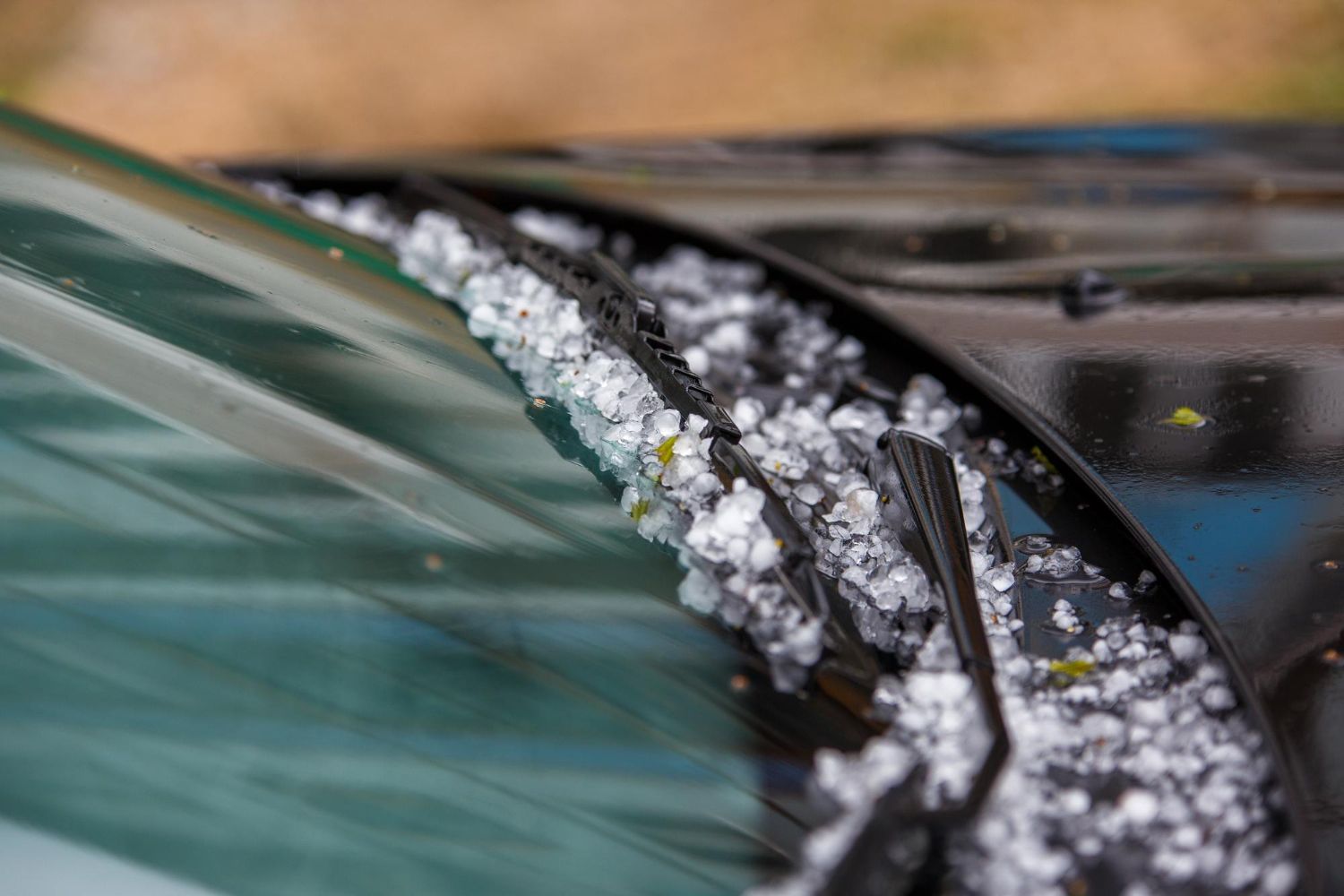
Modern vehicles are increasingly manufactured with lightweight aluminum panels to improve fuel efficiency and performance. While this metal is fantastic for the environment, it behaves very differently than traditional steel when battered by a severe ice storm. At Hail Otto, we specialize in advanced dent removal for drivers in Calgary, Saskatoon, and Estevan who need specialized care for their luxury and late-model cars. Assuming that an aluminum hood can be easily popped back into shape is a major misconception that often leads to ruined paintwork.
Aluminum lacks the elastic memory of steel, making it incredibly stubborn and brittle when stretched by an impact. We want to set realistic expectations regarding the repairability of these modern automotive metals. Learning the structural limitations of aluminum helps you understand why specific technical methodologies are absolutely vital to saving your vehicle's factory finish.
Key Insights
- Tip 1: Understanding Aluminum Memory
- Tip 2: Recognizing the Risk of Micro-Cracking
- Tip 3: Identifying When Traditional Repair is Mandatory
- Tip 4: Factoring in Extended Repair Times
- Frequently Asked Questions
Tip 1: Understanding Aluminum Memory
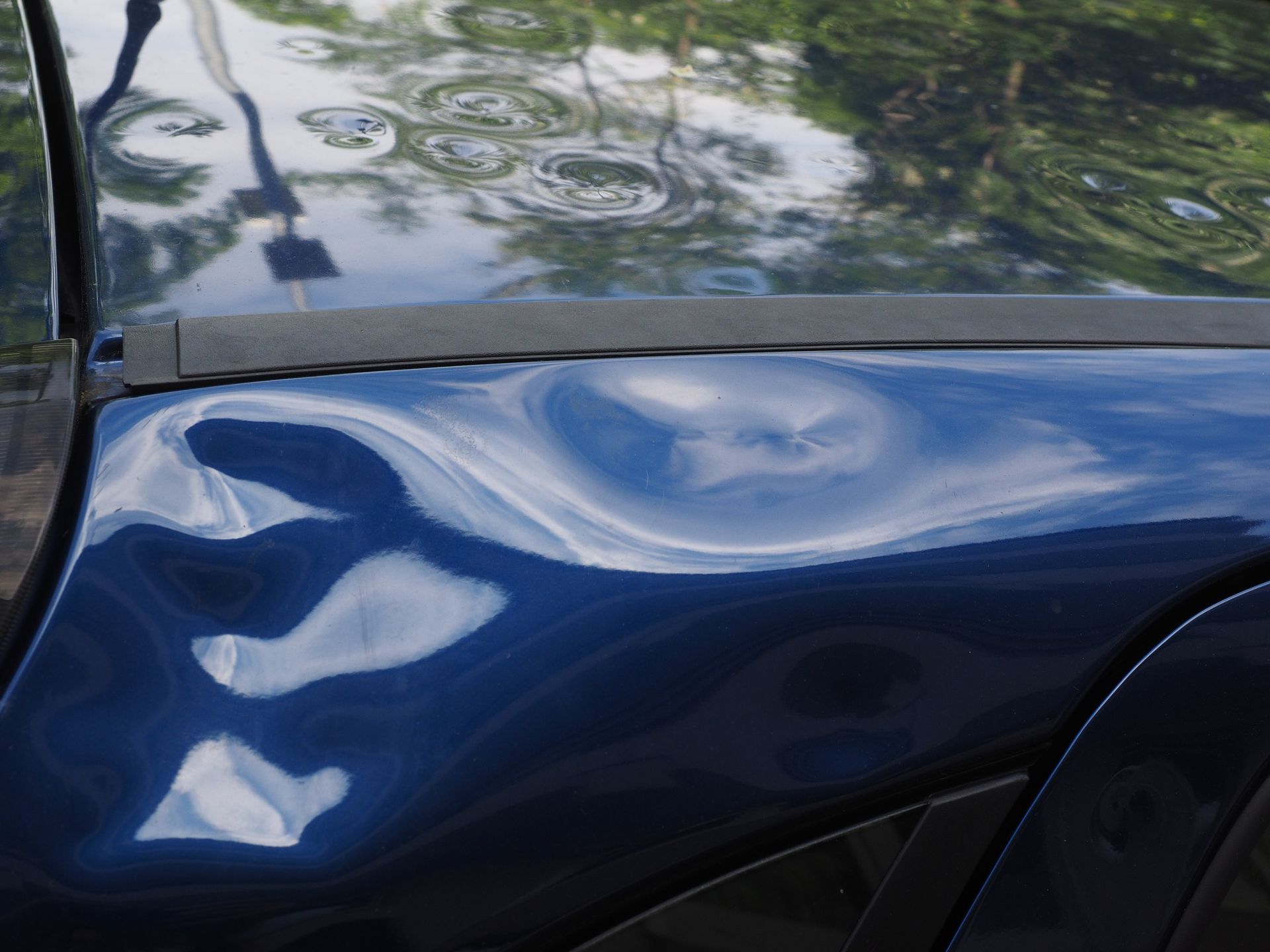
Unlike mild steel, which naturally wants to return to its stamped factory shape, aluminum stubbornly resists manipulation. Once a hailstone stretches an aluminum panel, the metal effectively forgets its original contour.
- Requires More Force: Technicians must apply significantly more physical pressure to the backside of an aluminum dent to force the metal to move.
- Demands Specialized Tools: Standard steel pushing rods are often ineffective; technicians must utilize specialized sharp-tipped tools to precisely manipulate the stubborn alloy.
- Limits Suction Pulling: Glue-pulling techniques applied to the exterior clear coat are far less successful on aluminum, requiring technicians to physically access the rear of the panel almost every time.
Tip 2: Recognizing the Risk of Micro-Cracking
Because aluminum is inherently brittle, pushing a deep crater back to a flat plane carries a massive risk of tearing the metal itself. If pushed too quickly, the panel will fracture, completely ruining the structural integrity.
- Controlled Heat Application: Technicians must carefully apply high-temperature heat guns to the aluminum surface to soften the metal before any pushing begins.
- Slow Manipulation: The massaging process must be executed incredibly slowly, working the outer perimeter of the impact inward to avoid stressing the epicenter.
- Danger of Cold Snaps: Attempting to massage cold aluminum in an unheated garage during the winter will almost always result in the metal splitting wide open.
It is a pattern the team at Hail Otto hears regularly when clients need high-level technical expertise for their modern vehicles.
►Client Experience: Patrick Warner shared “Great service, friendly staff. Jeff called multiple times to provide updates on my truck and share information... Everything looks great, they detailed the interior afterwards and it looked like new.”
Maintaining constant communication and delivering flawless technical results is why Patrick Warner continues to highly recommend our repair facility.
Tip 3: Identifying When Traditional Repair is Mandatory
There is a distinct physical threshold where paintless dent removal is no longer a viable option for aluminum components. Knowing this limit saves you from paying for a failed restoration attempt.
- Deep Gouges: If the hailstone impact is sharply creased or stretched the metal beyond a specific depth, the aluminum cannot be safely shrunk back to a smooth plane.
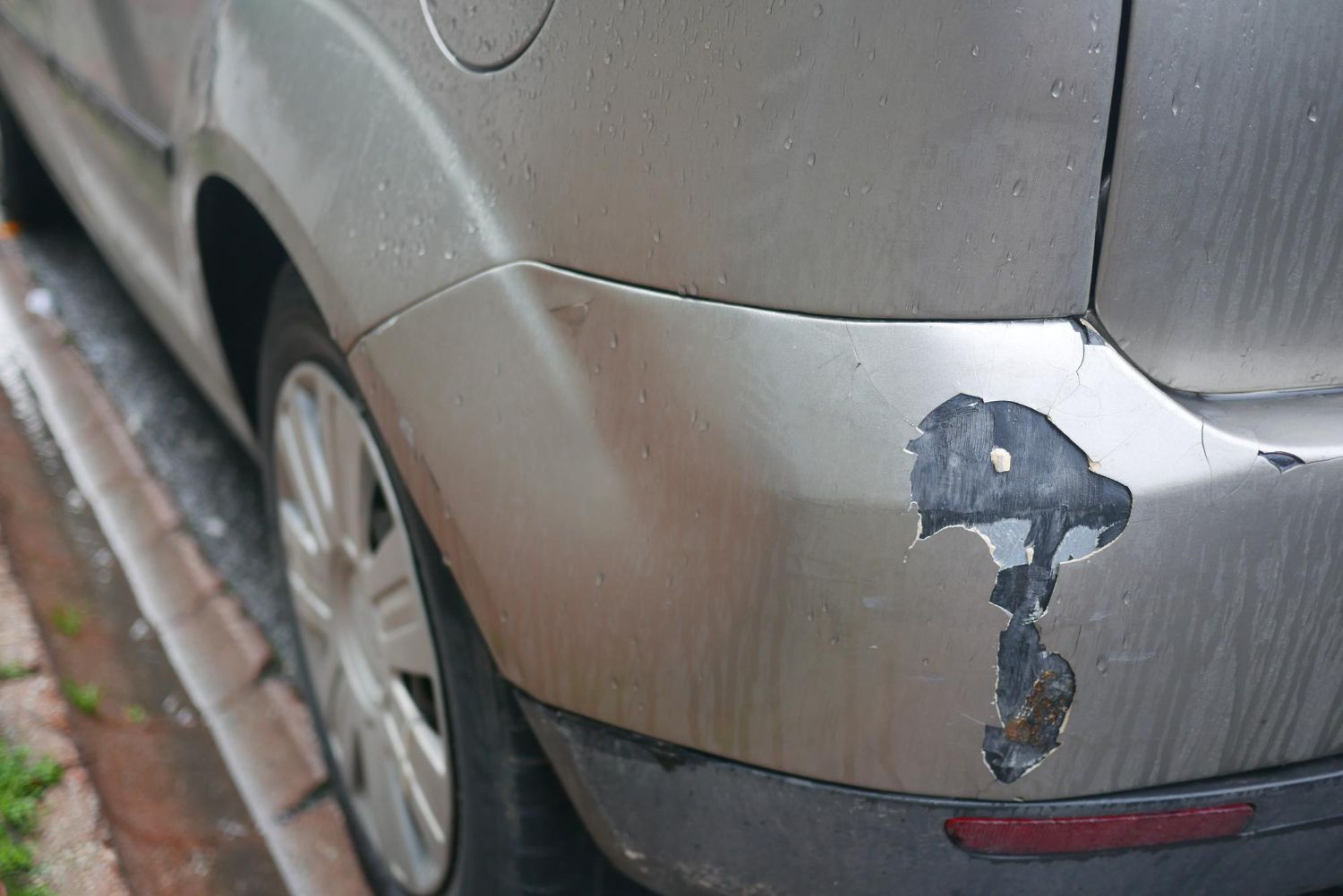
- Cracked Paint: If the factory clear coat and base color are fractured by the ice impact, paintless methods are useless, and the panel must be sent for conventional body shop refinishing.
- Edge Impacts: Dents located directly on the hard, reinforced body lines or folded edges of an aluminum hood are notoriously difficult to massage and frequently require panel replacement.
Tip 4: Factoring in Extended Repair Times
You must plan for your vehicle to remain at the repair facility longer if it is constructed heavily from aluminum. The stubborn nature of the metal drastically slows down the restoration process.
- Increased Labor Hours: A severe aluminum roof repair will take a master technician nearly twice as long to complete compared to an identical steel roof.
- Complex Disassembly: Gaining interior access to aluminum panels often requires carefully removing delicate headliners, sunroof tracks, and side curtain airbags.
- Patience Yields Perfection: Rushing an aluminum repair results in high spots and wavy reflections, meaning patience is your greatest asset for a flawless finish.
Frequently Asked Questions
Why does aluminum dent more easily than steel?
While aluminum is thick, it has a lower tensile strength and yield point than traditional automotive steel. This means it absorbs the kinetic energy of a falling hailstone by immediately deforming and stretching, rather than bouncing the ice away.
Can an AI scanner tell if a car is made of aluminum?
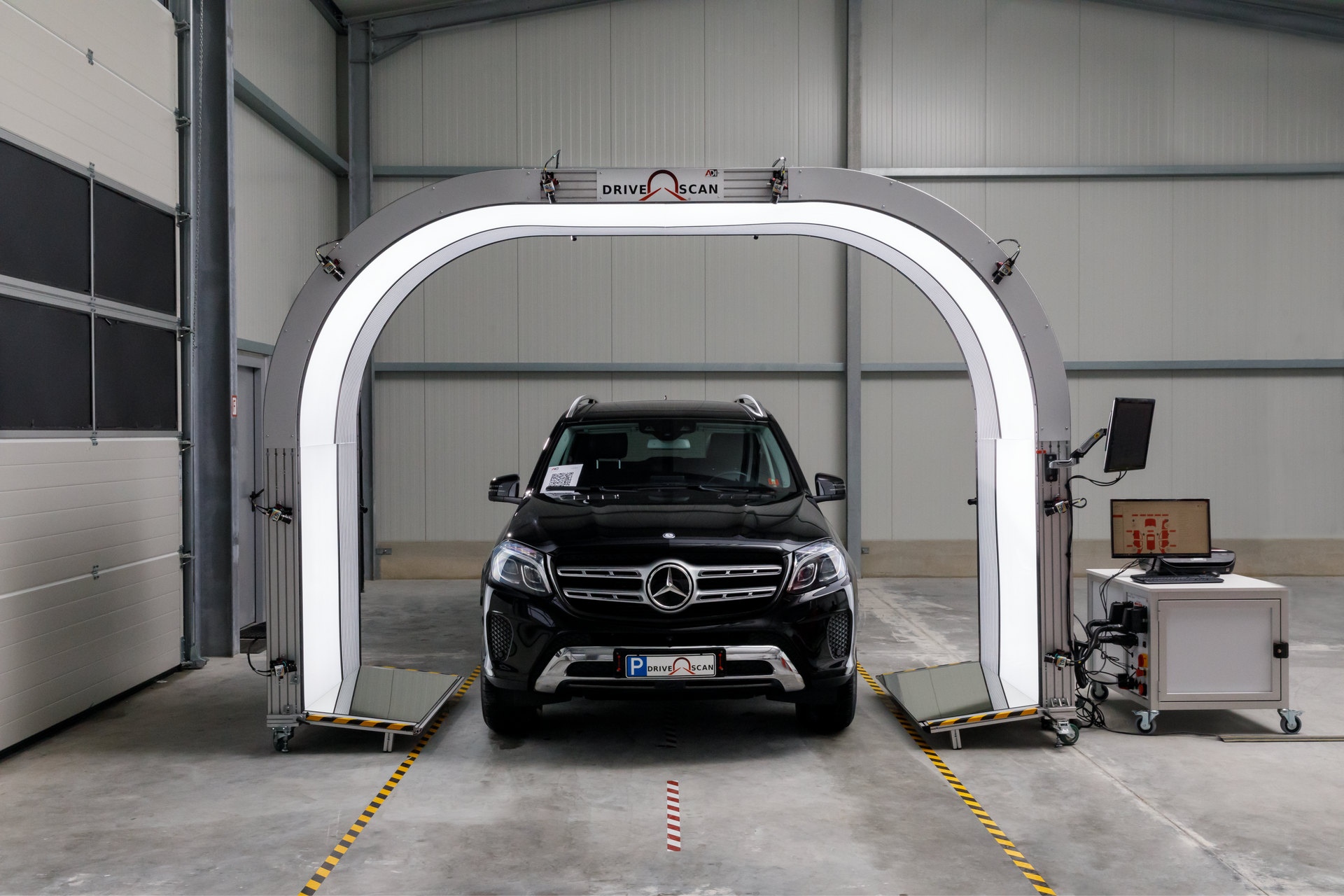
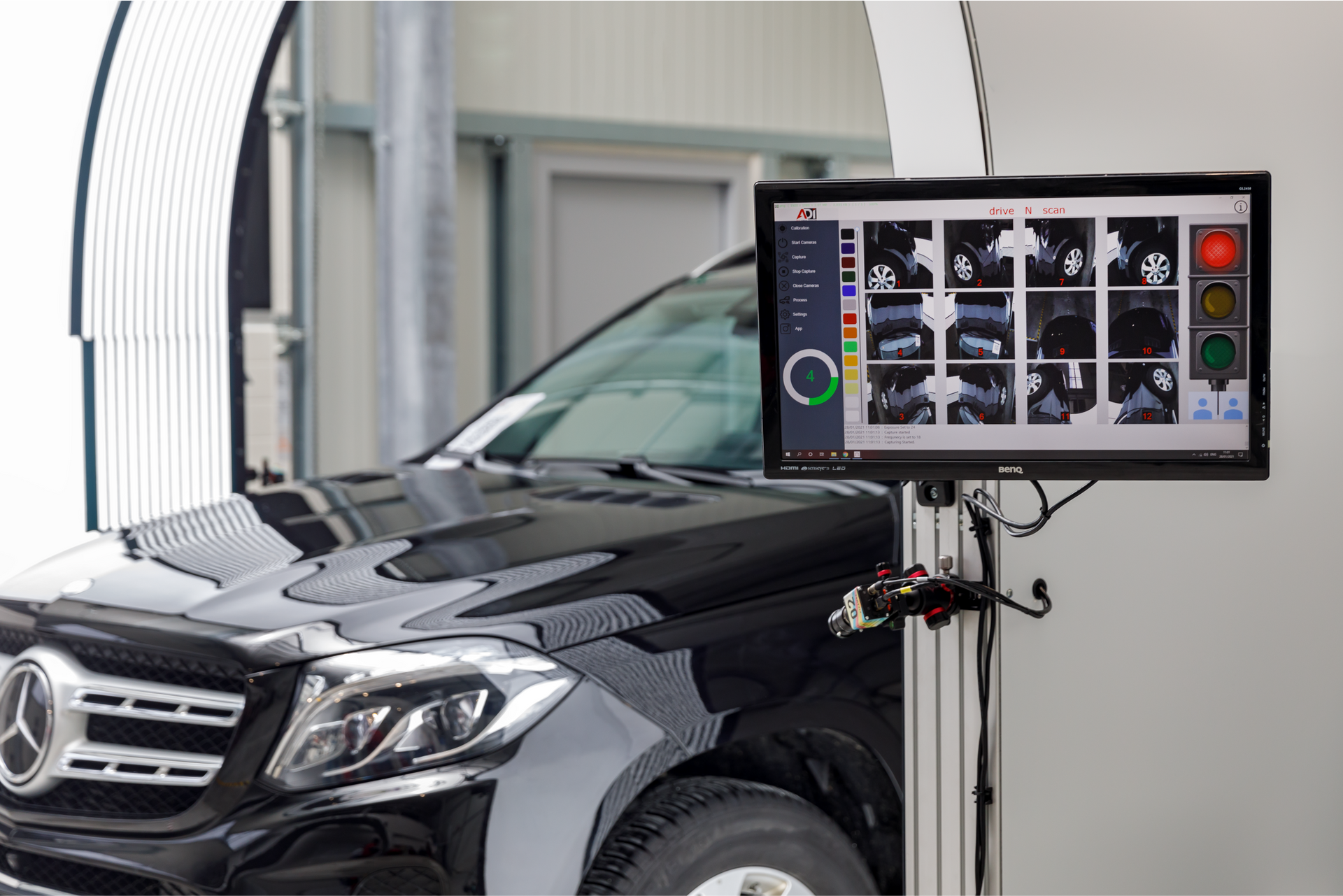
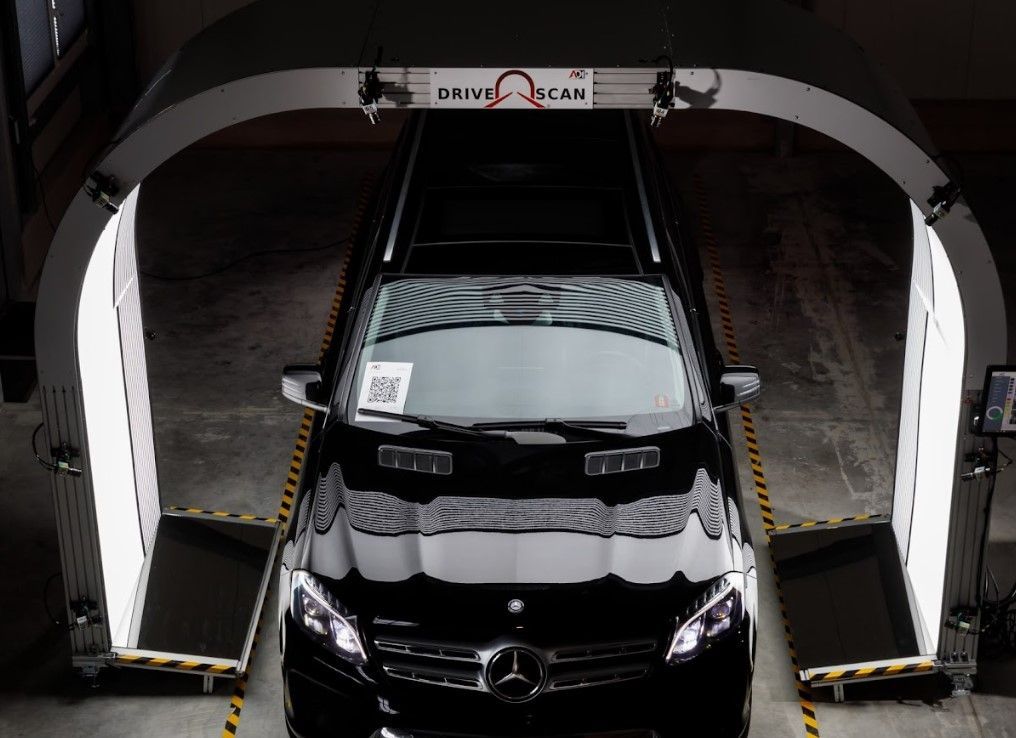
While the DRIVEnSCAN optical cameras map the exact depth and width of the dents, our integrated software references your vehicle identification number (VIN) to instantly pull the manufacturer's build data. This tells our estimators exactly which panels are aluminum, high-strength steel, or plastic.
Are aluminum paintless dent repairs more expensive?
Yes, the repair estimate will reflect the increased difficulty of the metal. Insurance companies use specialized pricing matrices that apply an automatic markup—often a twenty-five percent surcharge—to the labor rate for any dents located on an aluminum panel.
Restoring Your Modern Vehicle
Repairing modern, lightweight vehicle panels requires a delicate touch and profound metallurgical knowledge. By understanding the stubborn nature of aluminum and the necessity of controlled heat, you can appreciate the master craftsmanship required to save your factory paint. Contact our advanced estimation center today to schedule a thorough assessment of your modern automotive exterior.
Share This Blog