7 Smart Ways to Prep Your Car for Hail Season Before Holiday Travels
Hail Otto • November 10, 2026
Traveling during the holiday season requires reliable transportation free of structural compromises. A vehicle carrying old impact damage faces a much higher risk of further deterioration when driving through severe weather conditions. Hail Otto helps drivers evaluate their vehicle exteriors and secure necessary repairs before hitting the open highway. Preparing your truck or car early prevents small blemishes from expanding into expensive autobody failures.
We outline the exact mechanical steps required to inspect and prepare automotive panels for harsh driving environments. Taking a proactive approach to vehicle maintenance protects your structural steel from corrosive road salt and freezing moisture. A properly sealed exterior guarantees your factory paint survives the heavy travel season intact.
Review these crucial preparation steps:
- Inspecting Panels: Looking for micro fractures
- Addressing Steel: Stopping the rust process
- Clearing Cowls: Removing heavy debris
- Verifying Paint: Checking the clear coat
- Checking Seals: Inspecting the weather stripping
- Securing Trim: Fastening loose plastic components
- Major Fixes: Planning a major dent repair
- Frequently Asked Questions
Inspecting Panels
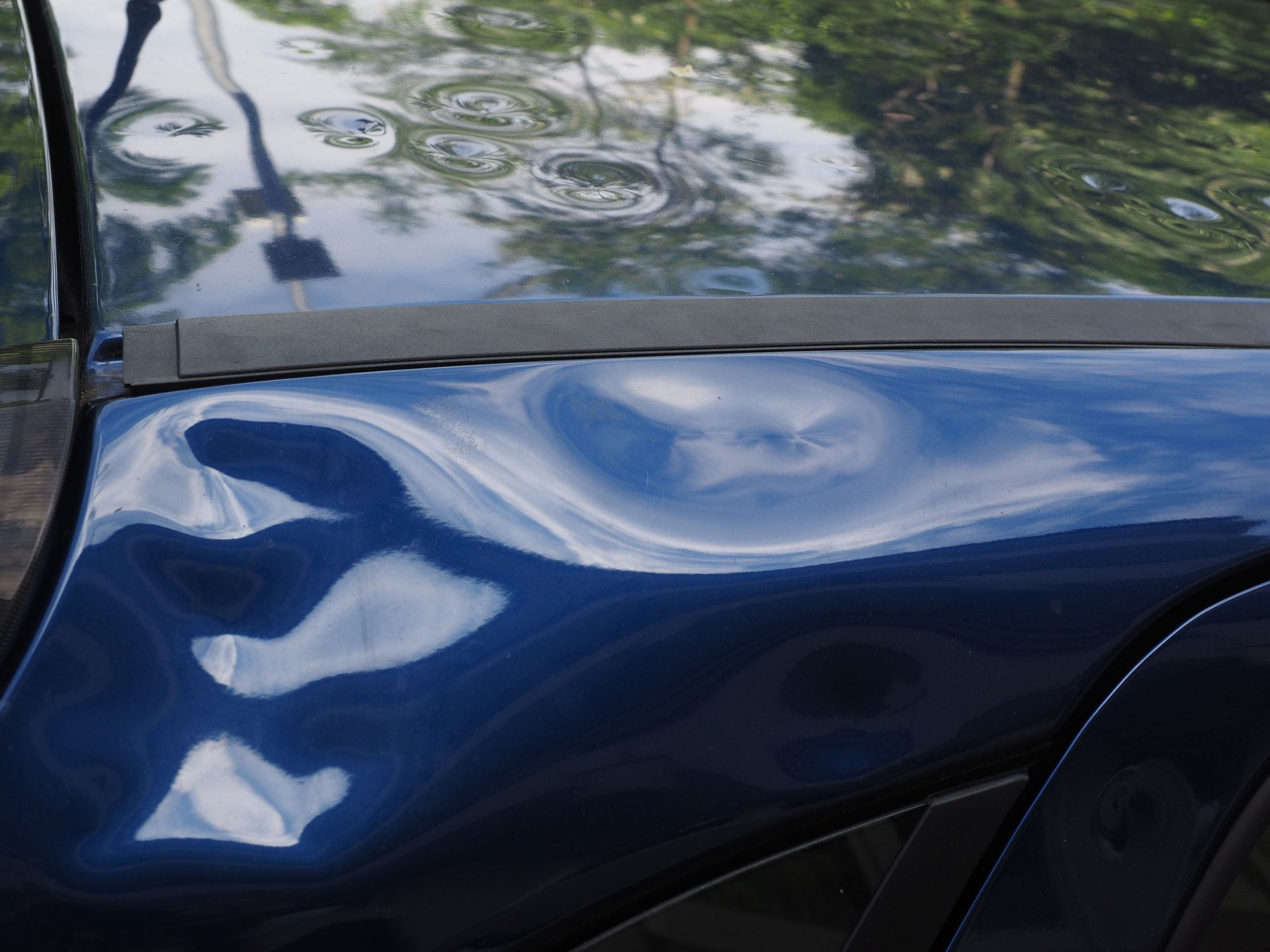
You must wash your vehicle thoroughly to spot the tiny surface fractures caused by parking lot impacts or flying highway debris. Dirt and road grime easily hide the small stress cracks that form around the edges of a shallow dent.
Addressing Steel
Any impact that scratches through the clear coat and the base paint exposes the raw automotive steel to the elements. You must apply a protective touch up paint to these deep gouges immediately to block moisture from reaching the bare metal.
Clearing Cowls
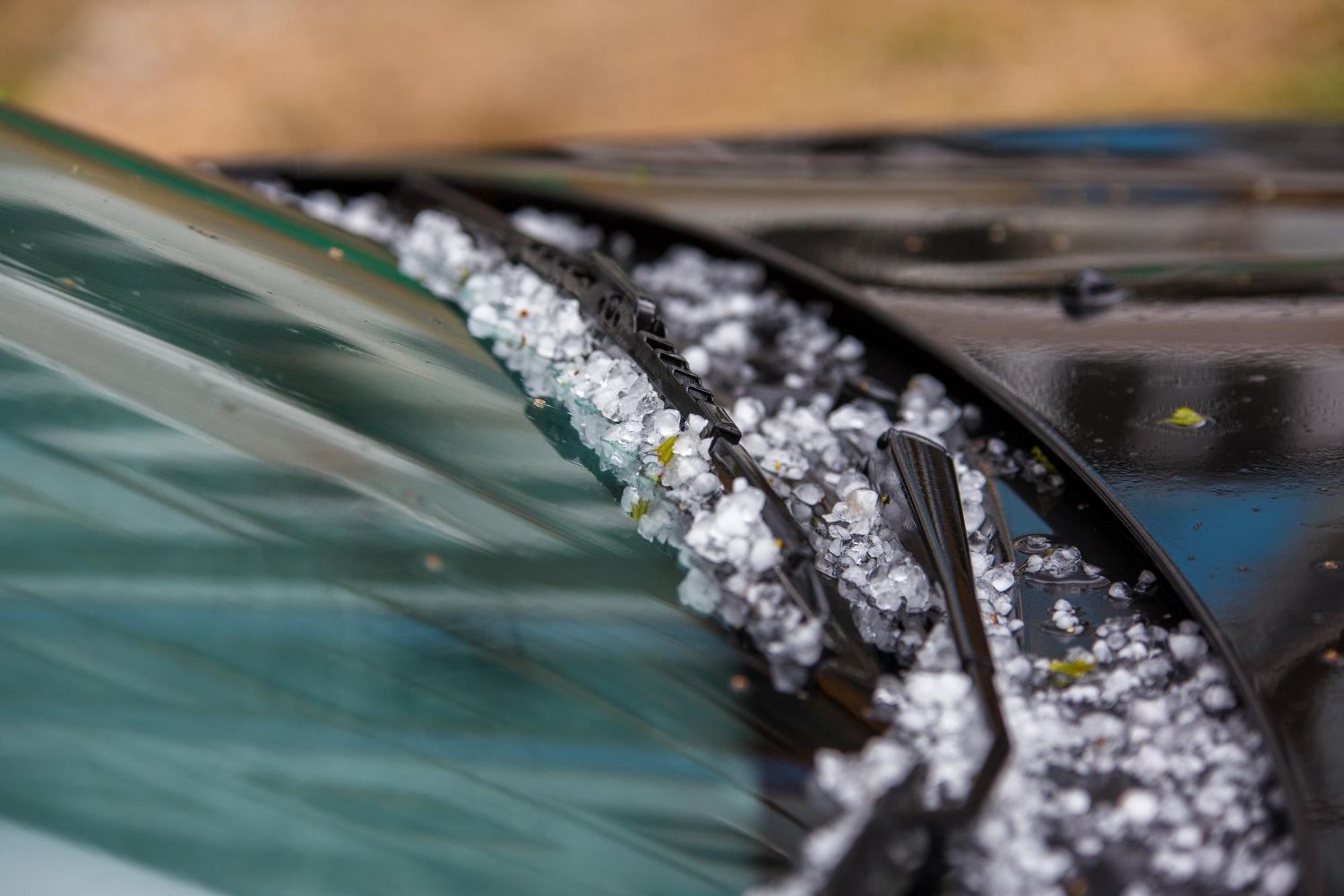
The plastic cowl sitting at the base of your windshield collects wet leaves and road debris during the fall months. Clearing this area prevents trapped moisture from freezing and expanding against the lower edge of your windshield glass.
Verifying Paint
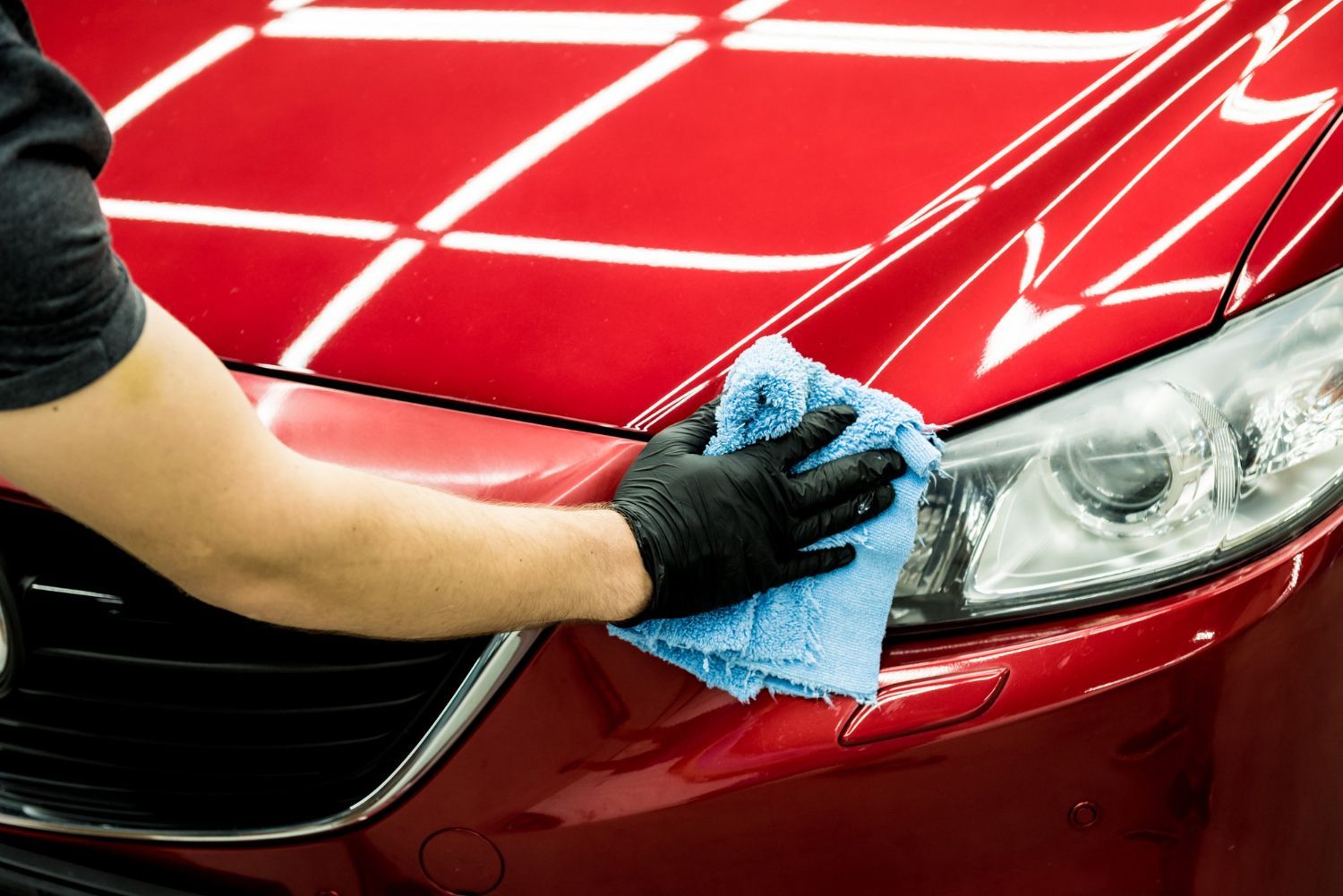
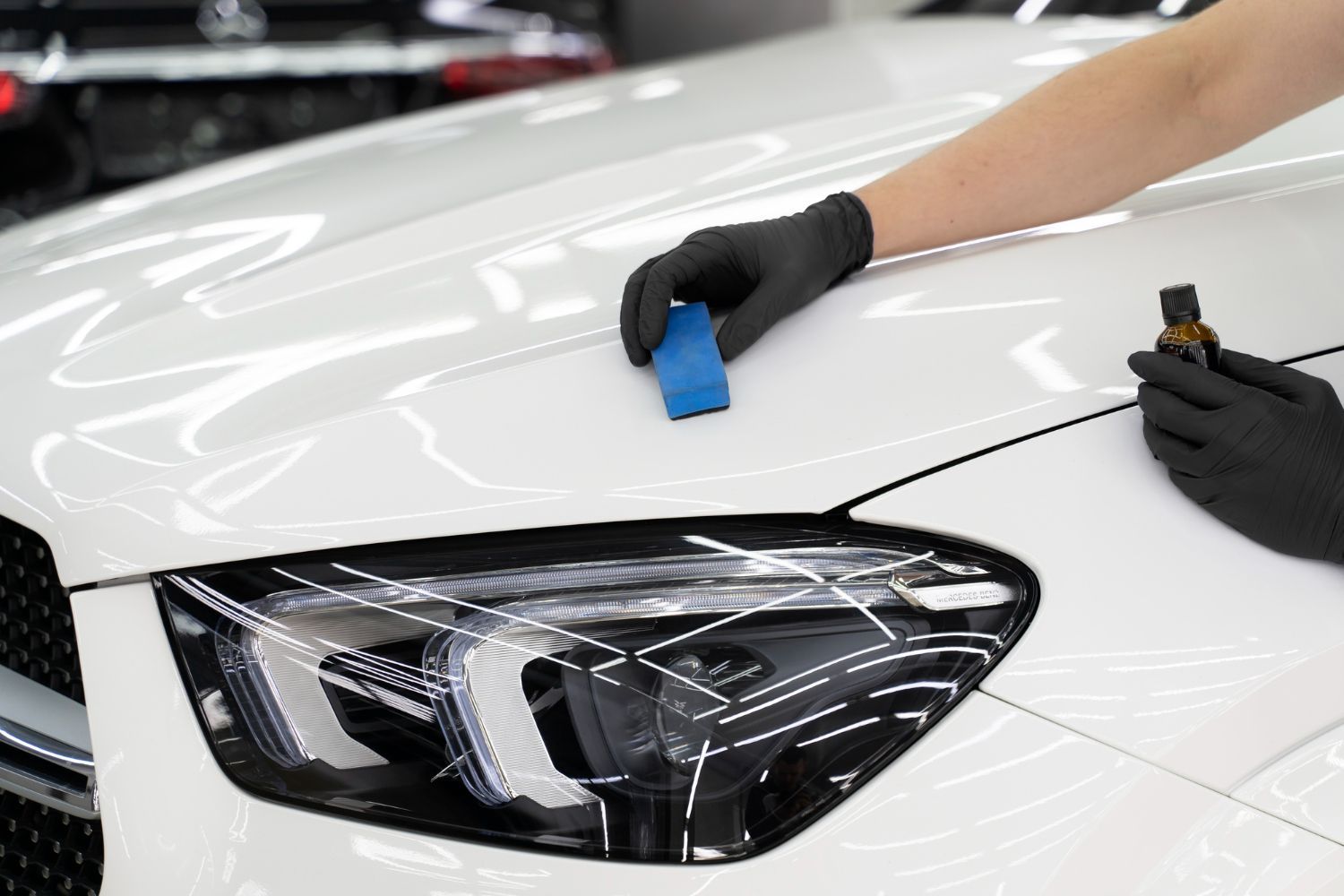
Take a close look at the horizontal surfaces of your hood and roof panels. If you notice a dull or cloudy appearance the clear coat is beginning to fail and requires a professional automotive wax to restore the protective barrier.
Checking Seals
The rubber weather stripping around your doors and windows hardens and shrinks as the temperature drops. Treating these rubber seals with a silicone lubricant prevents them from tearing when you open a frozen door.
Securing Trim
High winds easily rip loose plastic molding and bumper trim right off the vehicle while driving at highway speeds. You must replace missing plastic retaining clips to secure these exterior pieces tightly against the metal panels.
Major Fixes
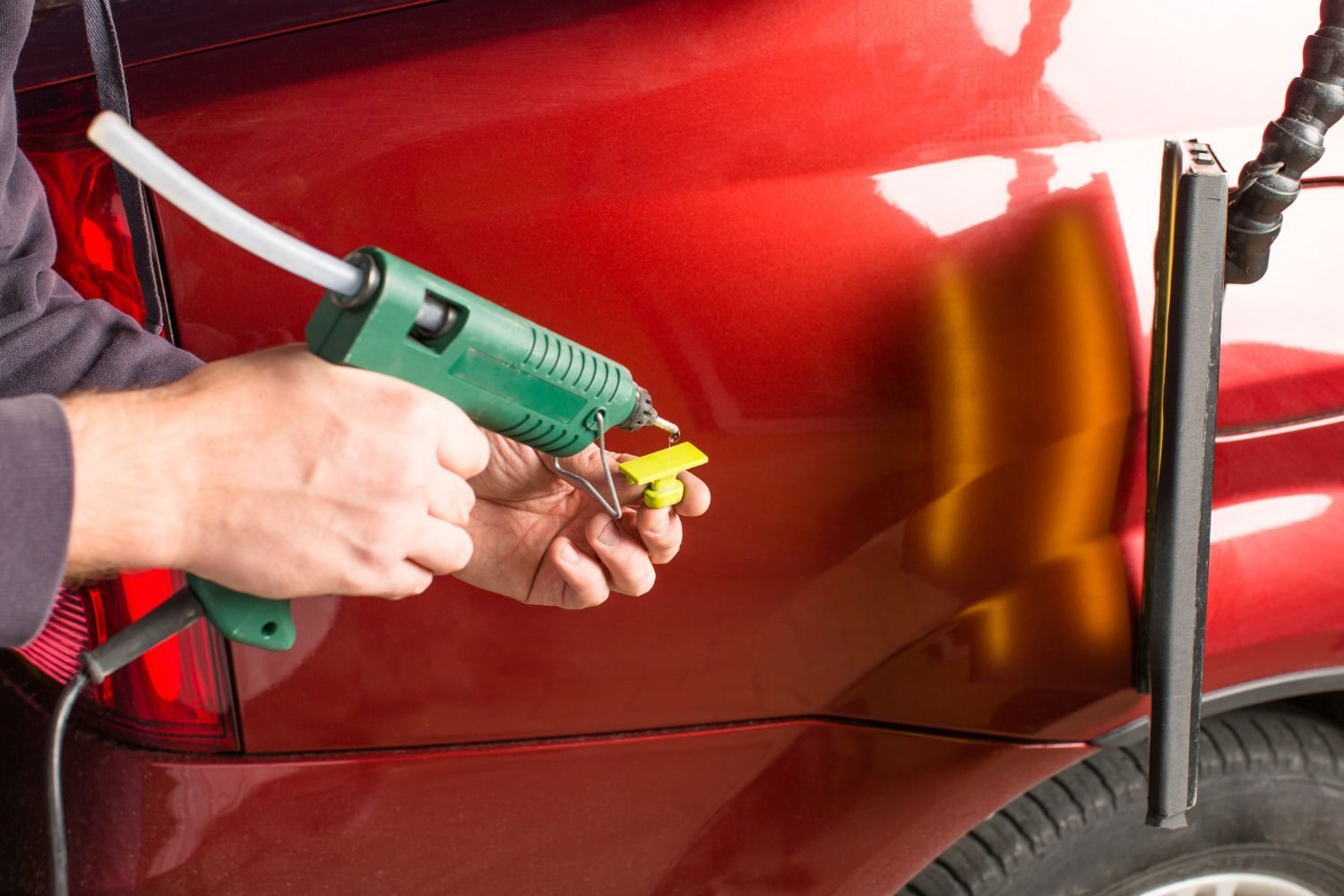
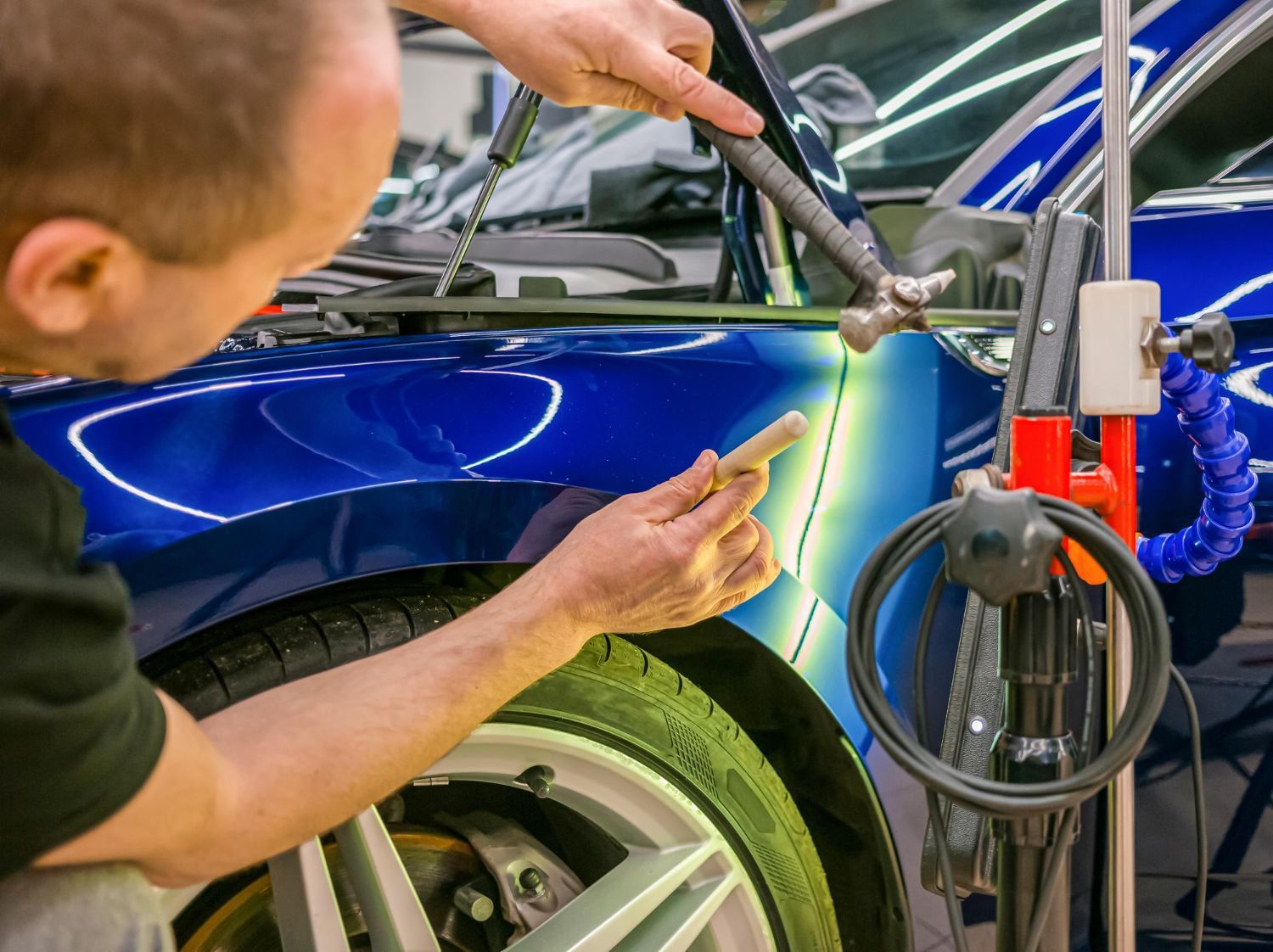
Drivers often ask if pouring boiling water on a car dent actually works to pop it out. The trade reality is that extreme temperature shocks damage the clear coat permanently without fixing the stretched metal. You must schedule a professional repair to properly restore a crushed body line.
Frequently Asked Questions
Can I wax my car in freezing temperatures?
You should only apply automotive wax inside a heated garage because cold temperatures prevent the chemicals from bonding to the paint surface.
Will small dings affect my gas mileage?
Tiny surface impressions do not alter the aerodynamics of a heavy truck enough to cause any measurable drop in fuel efficiency.
Securing Your Highway Travel
Taking the time to inspect your exterior panels prevents a minor blemish from turning into a massive rust hole. Trusting a professional technician to evaluate your structural steel guarantees a safe and reliable holiday road trip. Contact our Estevan or Calgary shop today to book your exterior evaluation.
Share This Blog